Presto Engineering Group Home

Category

Industry Trends

7 articles

The Coordination Gap: When Engineering, Operations, and Finance Stop Talking — and Projects Start Failing

The Coordination Gap: When Engineering, Operations, and Finance Stop Talking — and Projects Start Failing

Across the U.S. engineering sector, organizational silos between technical, operational, and financial teams are quietly inflating project costs through redundant work, missed dependencies, and avoidable rework. The problem is systemic, and its financial consequences are far larger than most firms recognize. This article examines the structural causes of cross-functional misalignment and outlines the coordination disciplines that high-performing engineering organizations use to close the gap.

When Hardware Meets Code: Why Software Integration Has Become the Critical Fault Line in American Industrial Projects

When Hardware Meets Code: Why Software Integration Has Become the Critical Fault Line in American Industrial Projects

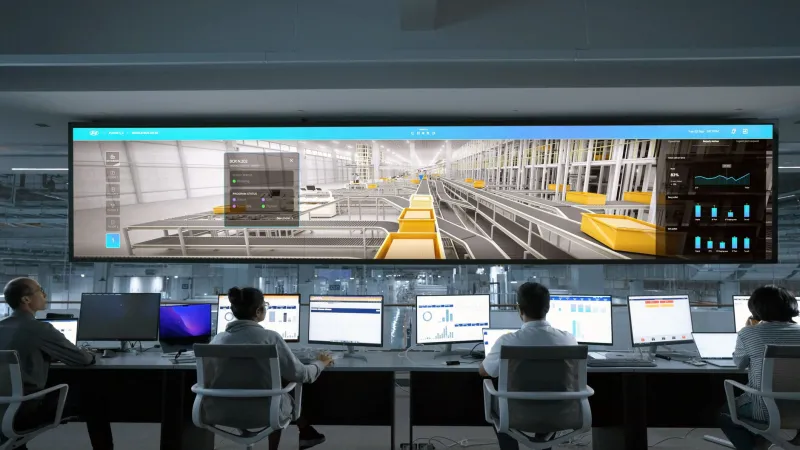
Mechanical precision alone no longer guarantees project success on the American industrial floor. As interconnected digital systems become inseparable from physical infrastructure, the inability to bridge hardware and software disciplines during the planning phase is quietly driving some of the most significant cost overruns and commissioning failures in the industry today. Engineering partners who command both domains are rapidly separating themselves from those who do not.

The Quiet Crisis on the Job Site: How America's Engineering Talent Shortage Is Derailing Project Timelines

The Quiet Crisis on the Job Site: How America's Engineering Talent Shortage Is Derailing Project Timelines

Supply chain volatility and material inflation have commanded industry attention for years, but a deepening shortage of qualified engineering professionals may prove to be the more stubborn obstacle to U.S. project delivery in 2025. From retiring Baby Boomers to an underdeveloped STEM pipeline, the forces behind this gap are structural — and the consequences for project timelines are already being felt. This article examines the root causes and outlines actionable strategies organizations can de

Reading the Fine Print: How Regulatory Misinterpretation Is Inflating U.S. Engineering Project Costs

Reading the Fine Print: How Regulatory Misinterpretation Is Inflating U.S. Engineering Project Costs

Across U.S. industries, engineering teams are quietly adding millions to project budgets by over-responding to regulations they haven't fully analyzed. The gap between what compliance actually requires and what teams conservatively assume can be staggeringly expensive. Closing that gap demands a more disciplined approach to regulatory review — one that protects both the project and the bottom line.

Modular by Design: Why America's Most Ambitious Infrastructure Projects Are Ditching the Old Playbook

Modular by Design: Why America's Most Ambitious Infrastructure Projects Are Ditching the Old Playbook

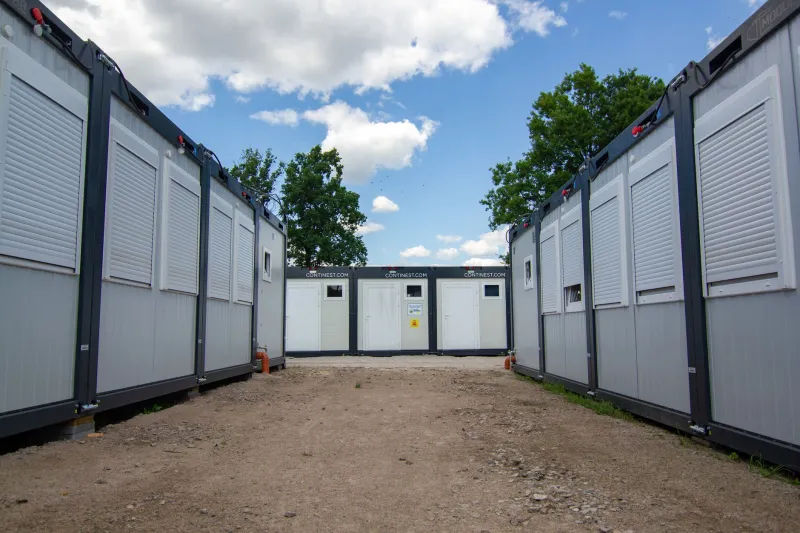
Modular and prefabricated engineering methodologies are fundamentally altering how large-scale U.S. infrastructure and industrial projects are conceived, scheduled, and delivered. Forward-thinking project owners across energy, manufacturing, and construction are discovering that breaking complex builds into discrete, factory-assembled components can slash costs and compress timelines simultaneously. This shift represents more than a construction technique — it signals a broader philosophical dep

Speed as Strategy: How Compressed Engineering Timelines Are Determining Winners in U.S. Industry

Speed as Strategy: How Compressed Engineering Timelines Are Determining Winners in U.S. Industry

American industrial companies that have learned to accelerate their engineering decision-making cycles are gaining measurable competitive advantages over slower-moving rivals. In sectors ranging from aerospace to advanced manufacturing, speed-to-execution has emerged as a defining differentiator — not a shortcut. This article examines the frameworks, disciplines, and mindset shifts that separate companies capturing market share from those ceding it.

Precision Over Scale: Why American Manufacturers Are Choosing Specialized Engineering Partners in 2025

Precision Over Scale: Why American Manufacturers Are Choosing Specialized Engineering Partners in 2025

A fundamental shift is underway in how US manufacturers select their engineering partners. Driven by reshoring momentum, supply chain volatility, and tightening regulatory demands, companies are moving away from large generalist firms and toward specialized partners who offer deeper expertise and greater accountability. This trend is reshaping the competitive landscape — and the manufacturers who adapt earliest stand to gain the most.